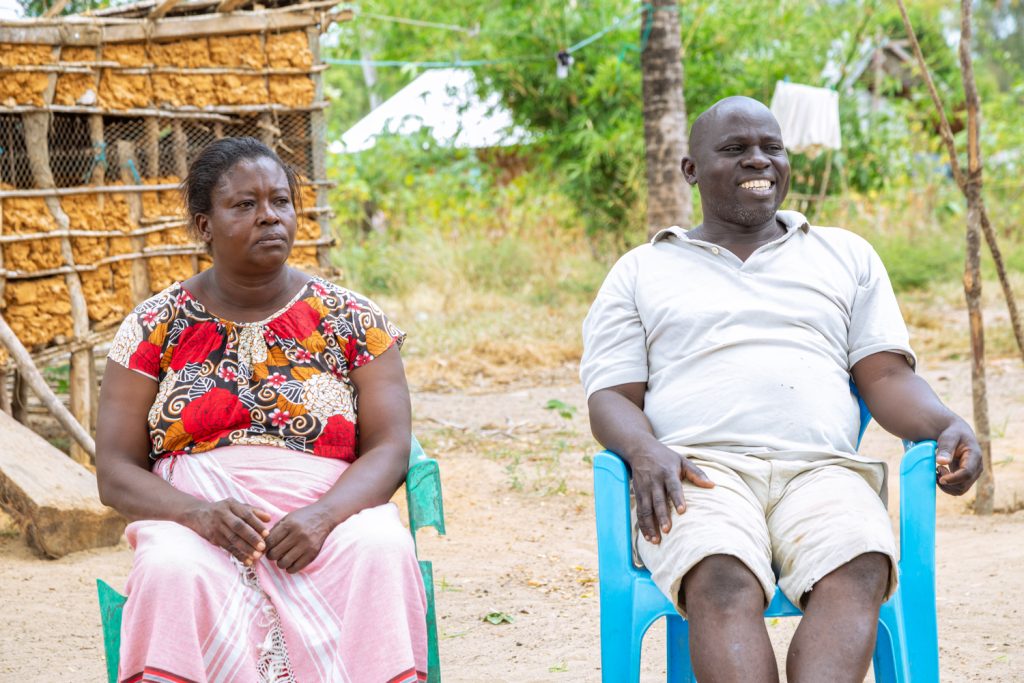
Their story with sickle cell began painfully and unexpectedly.
“Our firstborn used to have persistent colds, fever, and malaria that couldn’t go away,” Reverend Mlonzi recalls. “It was only after several hospital visits and a referral to the KEMRI clinic in Kilifi that we learned he had sickle cell disease, something we could hardly comprehend at the time.”
Learning and Adapting as a Family
Acceptance came slowly, but with it, a deep commitment to learning. The couple began by educating their extended family and neighbors on how to care for a child with SCD.
Elizabeth recalls:
“We taught them not to bath him in cold water, not to beat him, to avoid long exposure to the hot sun, and to encourage soft play. He had to drink water often and always sleep under a mosquito net.”
These lessons became the foundation of family and community awareness. Over time, relatives and neighbors began turning to the Mlonzis for advice and reassurance, transforming what was once isolation into connection.
Faith, Resilience, and Medical Guidance
“At first, I struggled with denial,” she admits. “But when I saw my child responding well, I began attending every clinic session faithfully, first weekly, then monthly. The nurses and doctors offered constant counseling, helping us understand how to manage the condition and prevent crises. There’s less hospitalization when you follow medical advice and ensure the child takes medication as prescribed,” she said with a smile.
Breaking Myths and Confronting Stigma
Beyond the medical challenges, the couple faced deep-rooted stigma and myths surrounding sickle cell disease. In their community, SCD is often misunderstood.
“People here call it Chirwa,” Reverend Mlonzi explains. “They believe a child with SCD is a result of infidelity between the parents. Others think the illness is linked to curses or demonic forces.”
Such misconceptions have torn families apart, with some marriages ending in divorce as blame and shame replace understanding. The Mlonzis, however, chose a different path.
“Because of my faith, I couldn’t allow any traditional sacrifices,” says Reverend Mlonzi. “I had studied about sickle cell disease and knew it was genetic. We refused to be defined by fear.”
Even in the face of cruel accusations including rumors that they had “sacrificed” their child after his passing, the couple held onto knowledge and faith. They used their experience to educate others, dispelling myths and encouraging people to seek testing and medical care.
Spreading Awareness and Hope
Today, Reverend and Mrs. Mlonzi have become advocates for community awareness. They believe education is the most powerful tool to break the cycle of misinformation that has fueled stigma and suffering.
“Awareness helps people know their sickle cell status,” Reverend Mlonzi emphasizes. “It empowers children to understand themselves, to relate confidently with others, and to make informed choices as they grow.”
“Pastors and church groups should help educate their congregations not condemning families when prayers don’t bring instant healing. Faith and medicine can work together.”
Their message is clear: sickle cell disease is not a curse but it’s a condition that requires care, understanding, and collective action. Through awareness, support, and education, Kilifi County continues to take vital steps toward compassion and inclusion for families affected by SCD. Thus, he challenged fellow church leaders to join in spreading awareness about sickle cell in Kilifi as a high burden area.