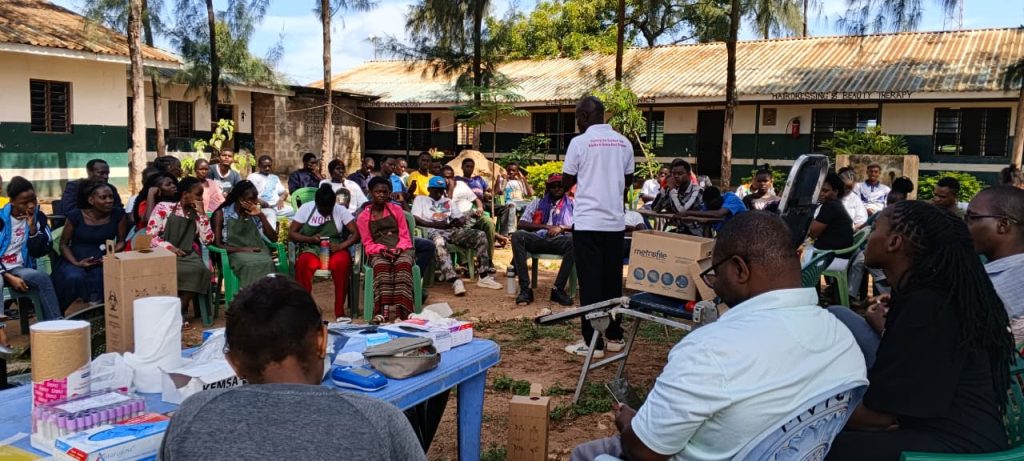
Across Kwale, Kilifi and Mombasa counties, learning institutions became spaces for life-saving conversations about sickle cell disease (SCD), blood donation and the importance of knowing one’s haemoglobin genotype.
During Sickle Cell Awareness Month in September, Africa Sickle Cell Organisation (ASCO), in partnership with county blood centers, brought SCD awareness, screening and blood donation activities to learning institutions across the three counties. The initiative aimed to equip students and teachers with accurate information, challenge misconceptions and encourage informed health decisions.
“Discussions also highlighted the importance of knowing one’s haemoglobin genotype, particularly in making informed reproductive decisions. By creating opportunities for questions and open conversations, the campaign sought to challenge myths and promote a better understanding of SCD among young people.” ASCO Kilifi Community Coordinator explained.
When Blood Donation Becomes an Act of Solidarity
Alongside awareness sessions, blood donation drives were conducted in collaboration with Kilifi Satellite, Kwale Satellite and Mombasa Satellite Blood Transfusion Centers, demonstrating how communities can contribute to supporting patients who depend on safe and adequate blood supplies. The campaign collected 2,377 units of blood across the three counties: 629 units in Kilifi, 728 in Kwale and 1020 in Mombasa.
For people living with SCD, access to blood can be essential in managing serious complications. The achievement highlighted the value of community participation and voluntary blood donation in strengthening support for patients who need transfusions.
The Value of Knowing Your Genotype
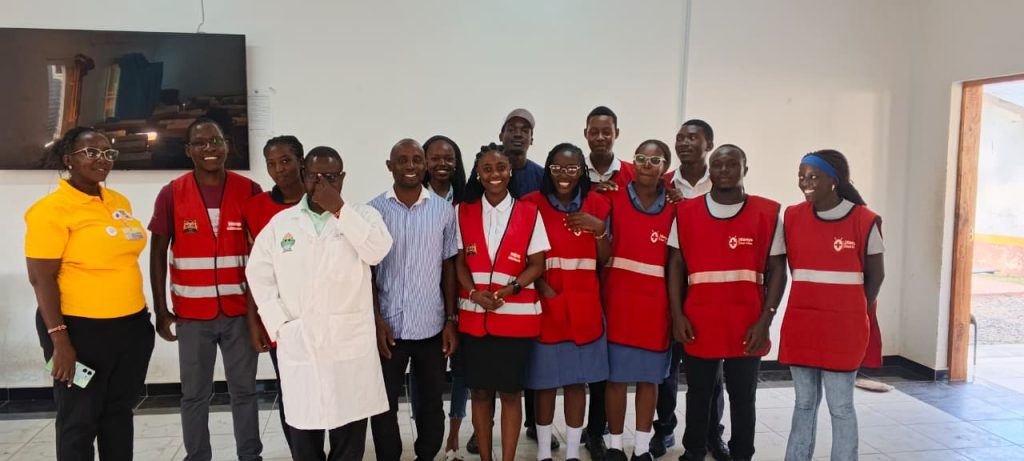
Sickle cell screening was conducted in selected institutions, giving participants an opportunity to learn their haemoglobin genotype. Most of those screened had HbAA, while some were identified as having HbAS, commonly known as sickle cell trait.
“Those identified with the trait received brief genetic counselling to understand their status, its inheritance and the importance of partner testing. Knowing one’s genotype can help individuals make informed reproductive decisions. Importantly, having sickle cell trait does not mean a person has sickle cell disease.” Clinical Officer at ASCO shared.
From Participants to Advocates
Beyond the sessions, students expressed interest in championing SCD awareness within their institutions. They also called for more regular awareness sessions and expanded screening opportunities.
“Following the Sickle Cell sensitization training, we now have a deeper understanding of the challenges faced by people living with SCD and their caregivers. We’re grateful to the ASCO team for opening our eyes and equipping us with the knowledge to make a meaningful difference in our communities.” Nicholas Nyale Kiti, President, Kilifi County Comrades Association (KCCA).
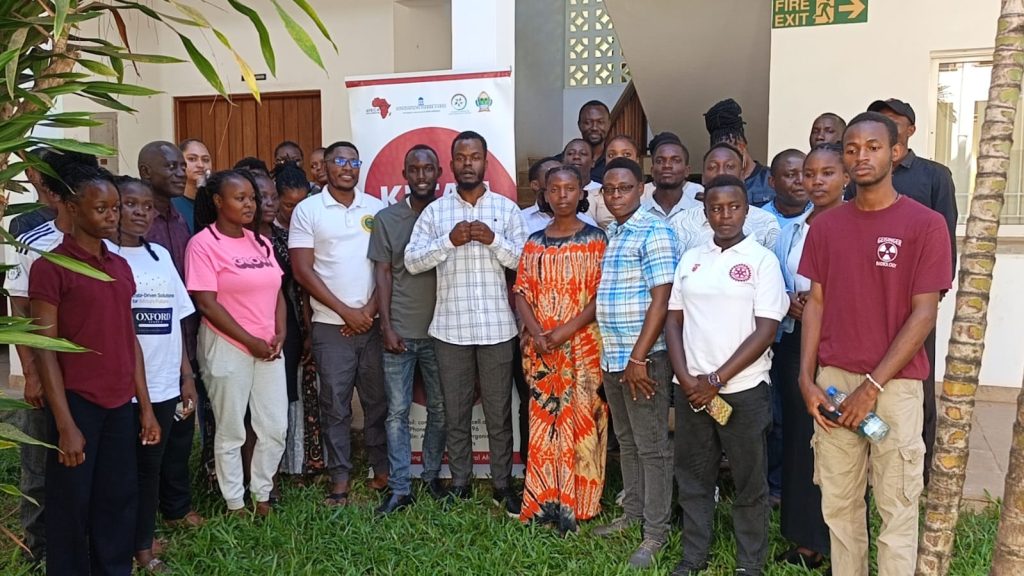
The September activities demonstrated how partnerships between ASCO, county blood centers and learning institutions can bring essential health information closer to communities. While the collection of 2,377 blood units marked a significant achievement, the campaign’s impact also lies in the knowledge shared, the misconceptions challenged and the young people inspired to champion awareness.