Strengthening the Frontline Response to Sickle Cell Disease in Taita Taveta and Kilifi Counties

Sickle Cell Disease (SCD) remains one of the most pressing yet under-addressed public health challenges in Kenya’s coastal region. Affecting thousands of children and families, the disease continues to contribute to preventable illness and deaths, particularly where early diagnosis and specialized care remain limited.

In Kilifi County alone, an estimated 15% of the population carries the sickle cell trait, with approximately 20 in every 1,000 births affected by the SS genotype. Across Sub-Saharan Africa, SCD accounts for alarmingly high mortality rates, with an estimated 50–80% of affected children dying before adulthood due to delayed diagnosis and inadequate care.

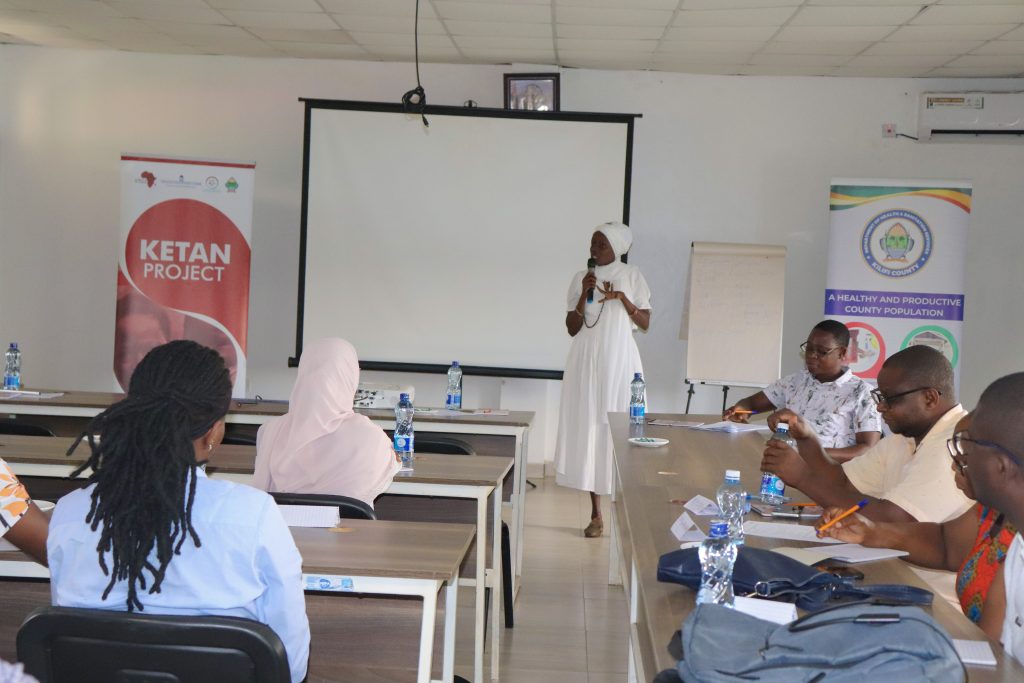
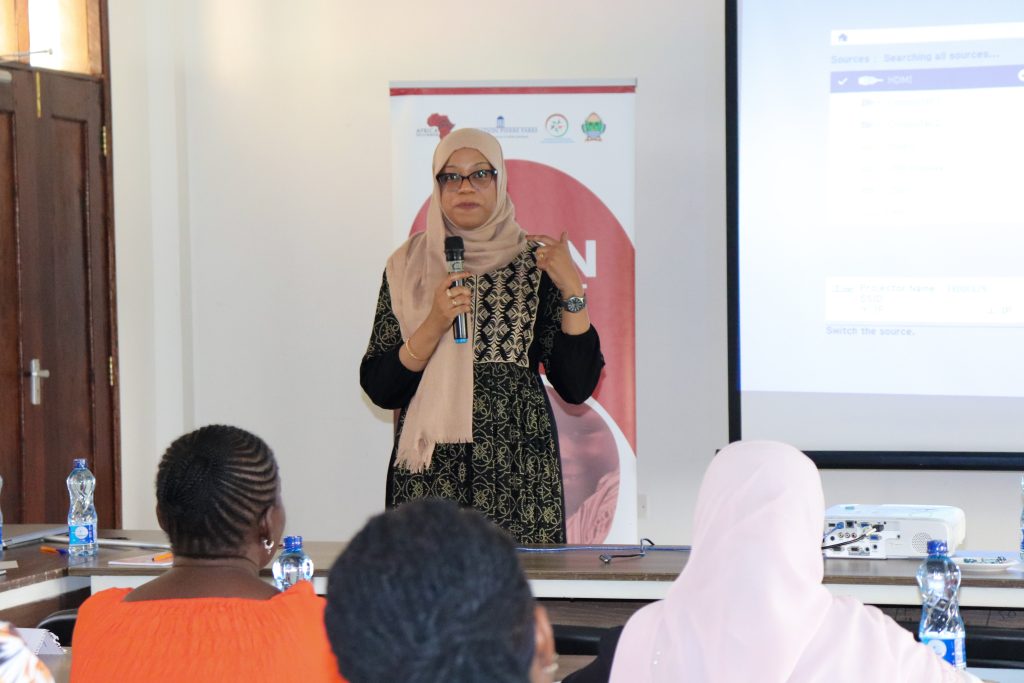
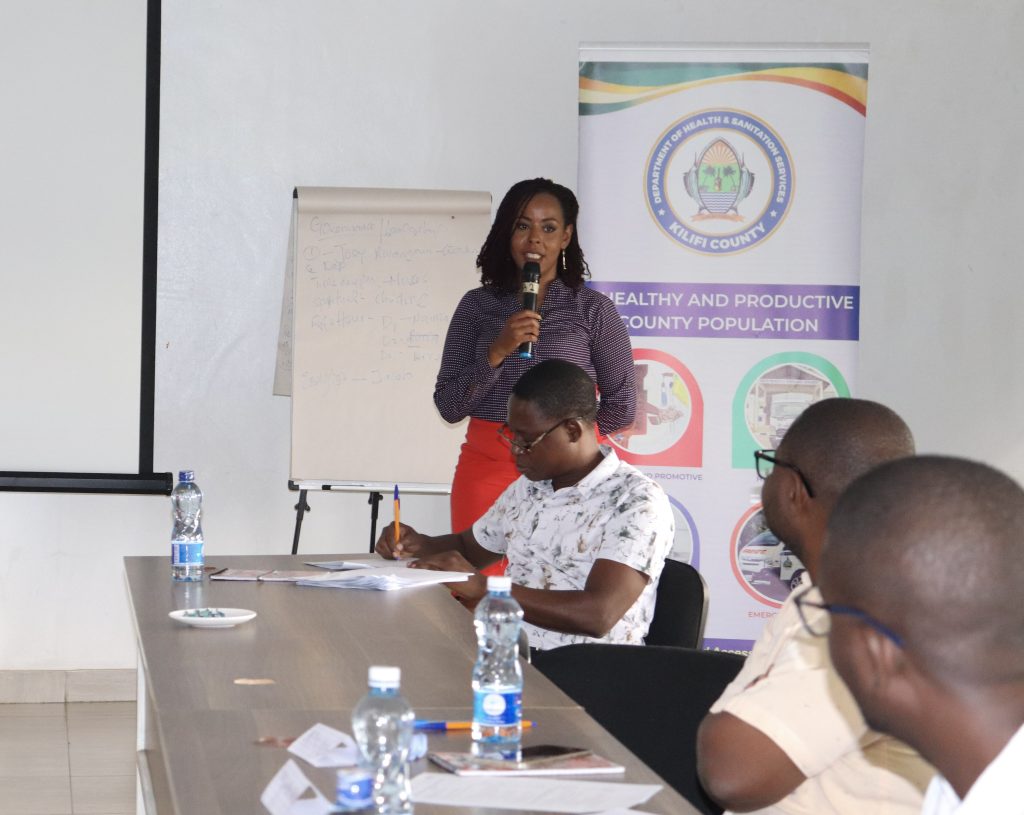
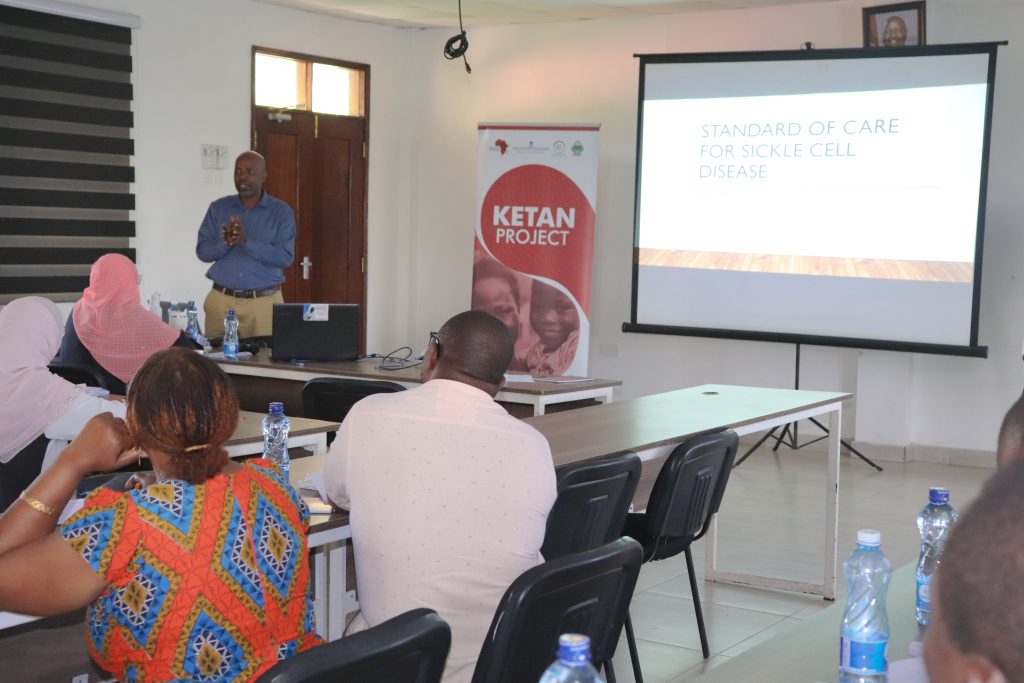
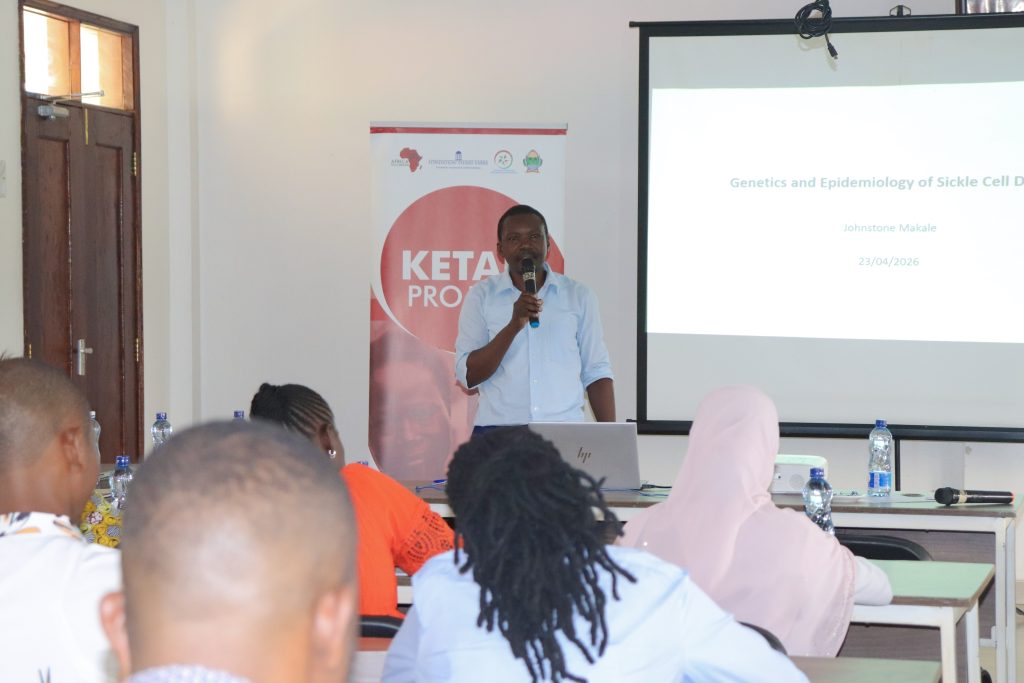
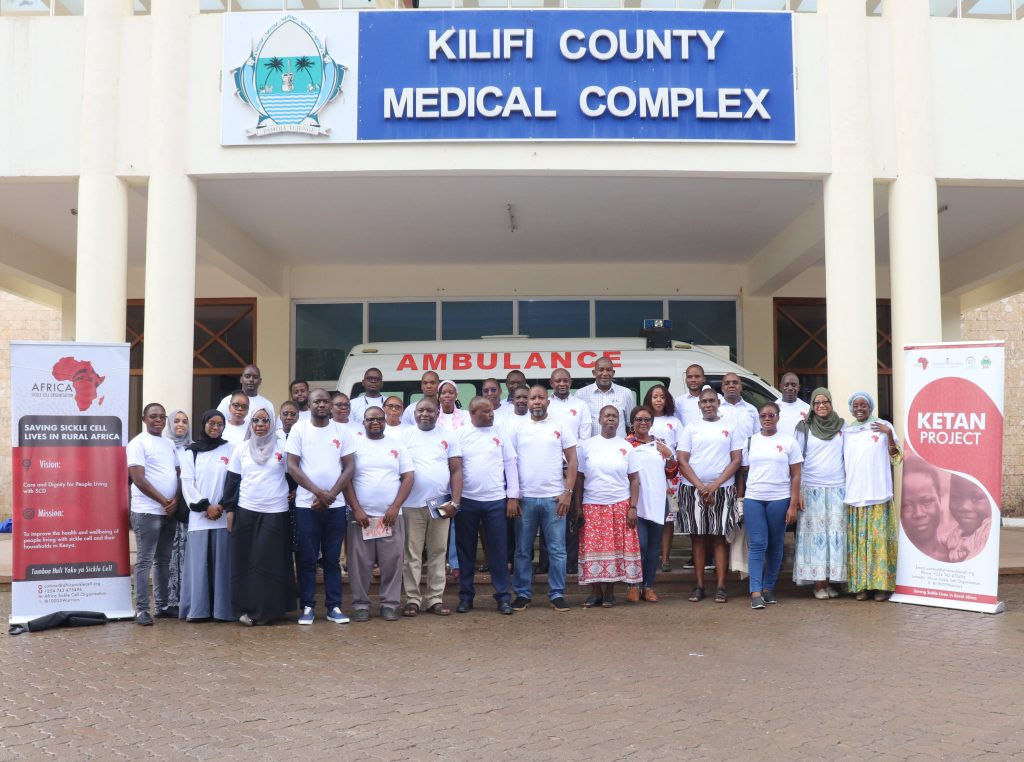
Recognizing the urgent need to strengthen healthcare systems and improve patient outcomes, Africa Sickle Cell Organisation (ASCO), in collaboration with the County Governments of Kilifi and Taita Taveta, Pwani University, and KEMRI, conducted specialized healthcare professional trainings aimed at bridging the gap between theoretical understanding and practical clinical management of SCD.

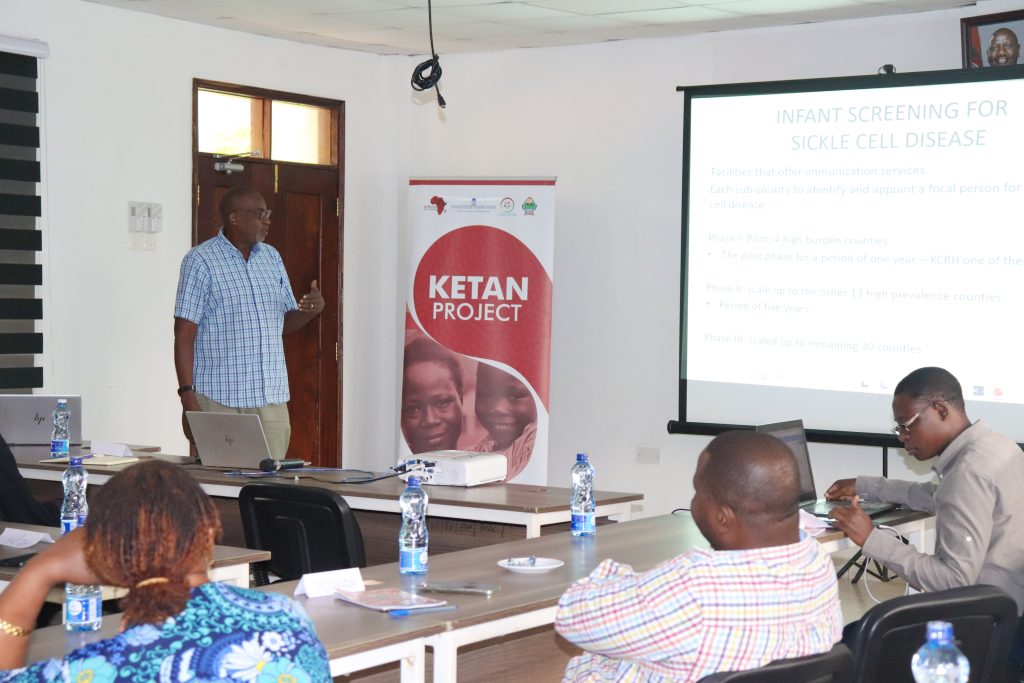
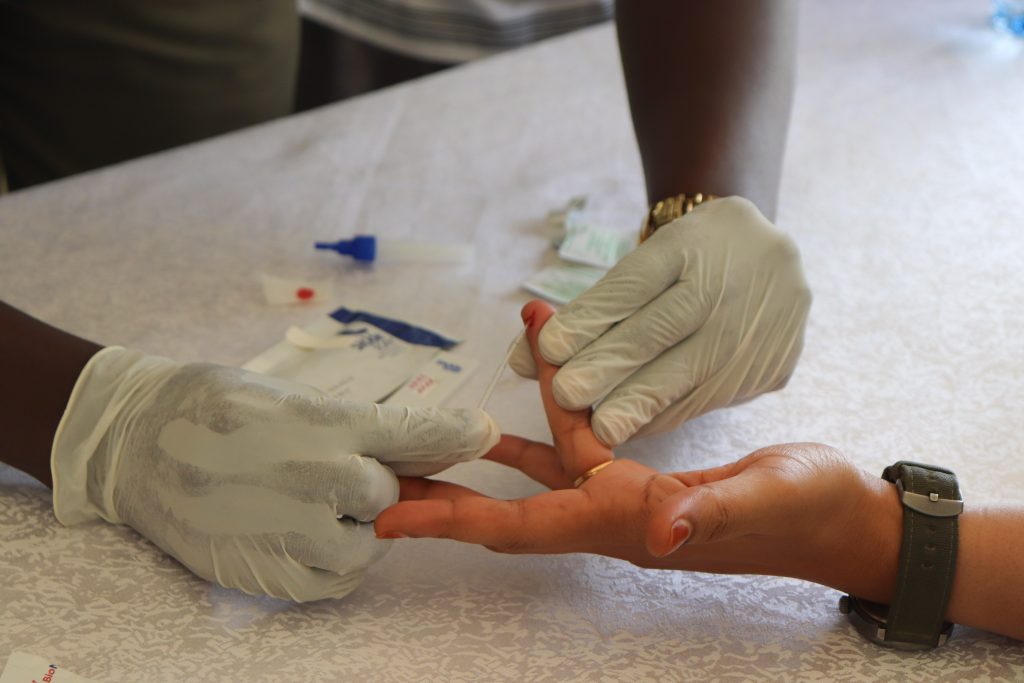
The initiative brought together 41 healthcare providers from Taita Taveta and 30 from Kilifi County through a three-day Training of Trainers (ToT) programme under the SCD KETAN Project by Fondation Pierre Fabre. The training focused on Point of Care Testing (POCT), newborn and infant screening, and comprehensive SCD management.

Transforming Knowledge into Action

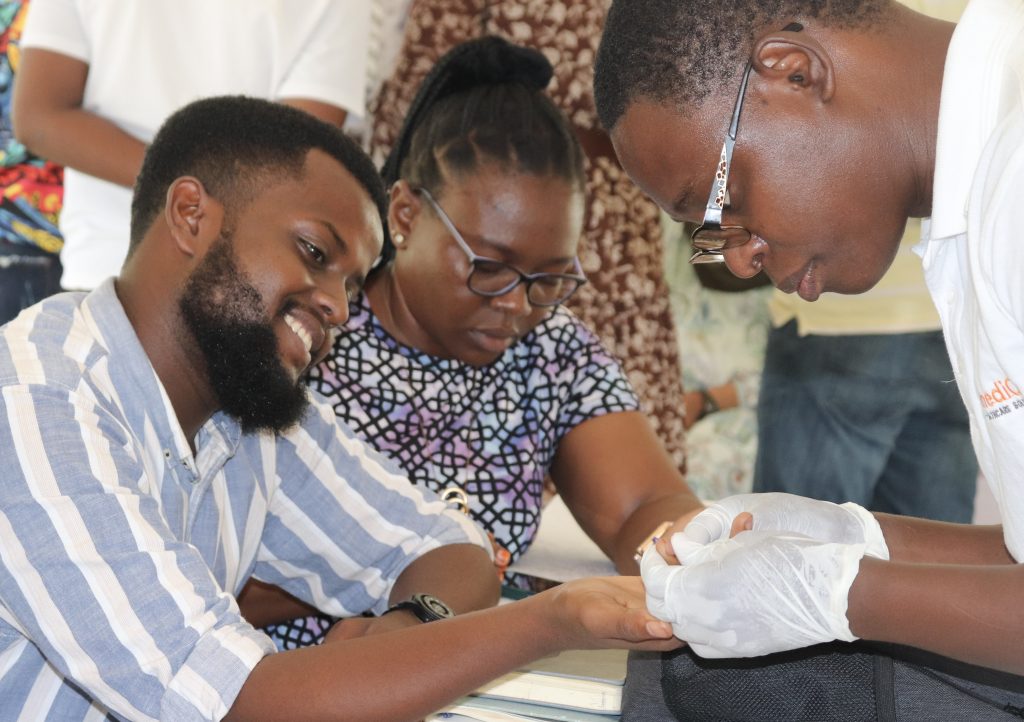
The trainings equipped frontline healthcare workers with critical skills needed to strengthen early diagnosis and improve care for Persons Living with Sickle Cell Disease (PLSCD). Through interactive learning sessions, ward-based practical demonstrations, and peer-to-peer engagement, participants gained confidence in conducting POCT-based screening and interpreting results accurately.

Beyond technical skills, the program cultivated a new generation of healthcare champions who are now positioned to cascade knowledge through Continuous Medical Education (CME) sessions, mentorship, and facility-based coaching within their counties.

Key Outcomes from the Training

The program recorded significant milestones that will contribute to long-term improvements in SCD care and management:

  • Strengthened healthcare provider capacity in SCD screening, diagnosis, and acute and chronic care management.
  • Enhanced practical skills in newborn and infant screening using Point of Care Tests, supporting earlier diagnosis and timely linkage to care.
  • Creation of a trained pool of healthcare trainers committed to expanding SCD knowledge within their facilities and communities.
  • Development of practical strategies for rolling out POCT screening across high-volume Maternal, Newborn, and Child Health (MNCH) service points.
  • Increased focus on integrating community sensitization and health education into screening interventions to improve awareness and health-seeking behavior.
  • Promotion of continuous professional learning to help healthcare providers stay informed on emerging treatments and best practices in SCD care.

Building a Stronger Future for Sickle Cell Care

These trainings mark an important step toward strengthening county-level health systems and ensuring that children born with SCD are identified early and connected to lifesaving care. By investing in healthcare worker capacity, ASCO and its partners are helping create a more responsive and informed healthcare system that can better support individuals and families affected by SCD.

As the momentum continues, the commitment remains clear: improving early diagnosis, expanding access to quality care, and ensuring that no child living with SCD is left behind.