The Role of Community Health Promoters in Sickle Cell Disease Management in Kenya
Sickle Cell Disease (SCD) remains one of the most common inherited blood disorders in Kenya. Many families continue facing challenges related to delayed diagnosis, limited awareness, stigma, poor access to consistent care, and financial strain. In counties such as Kilifi and Taita Taveta, where the burden of SCD continues to affect children, adolescents, and families, Community Health Promoters (CHPs) are becoming an important bridge between communities and the health system.
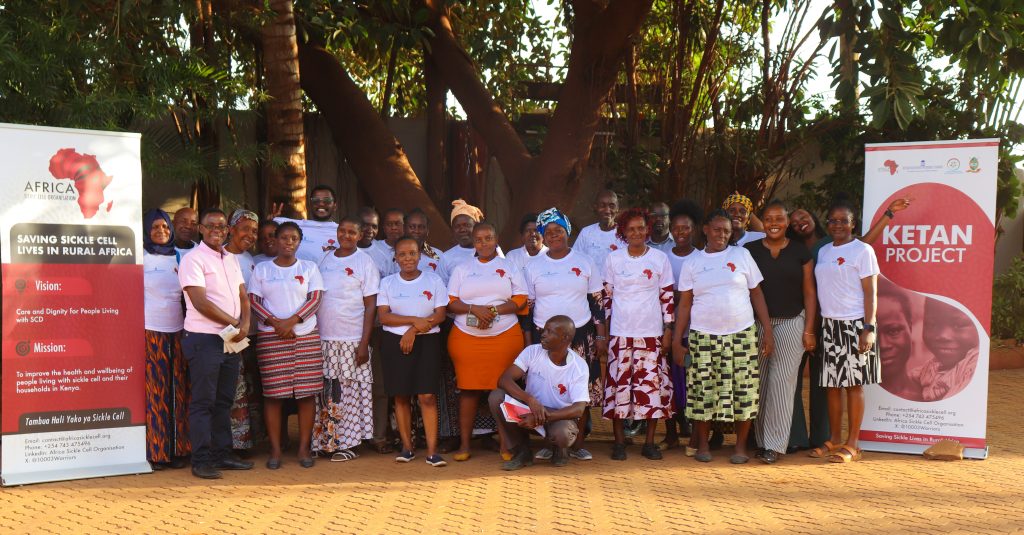
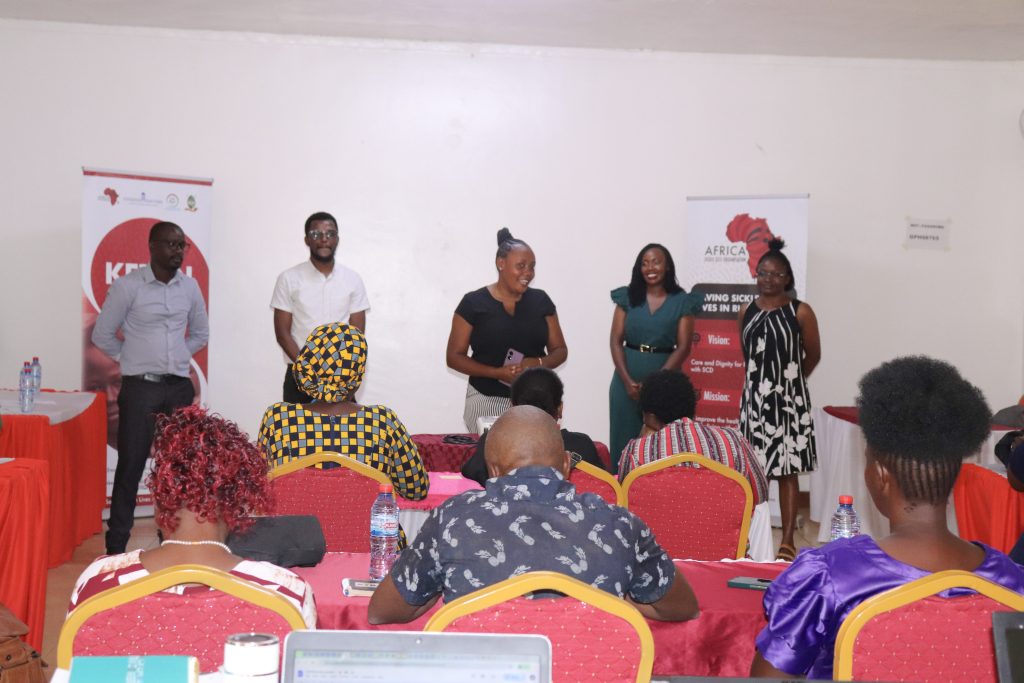
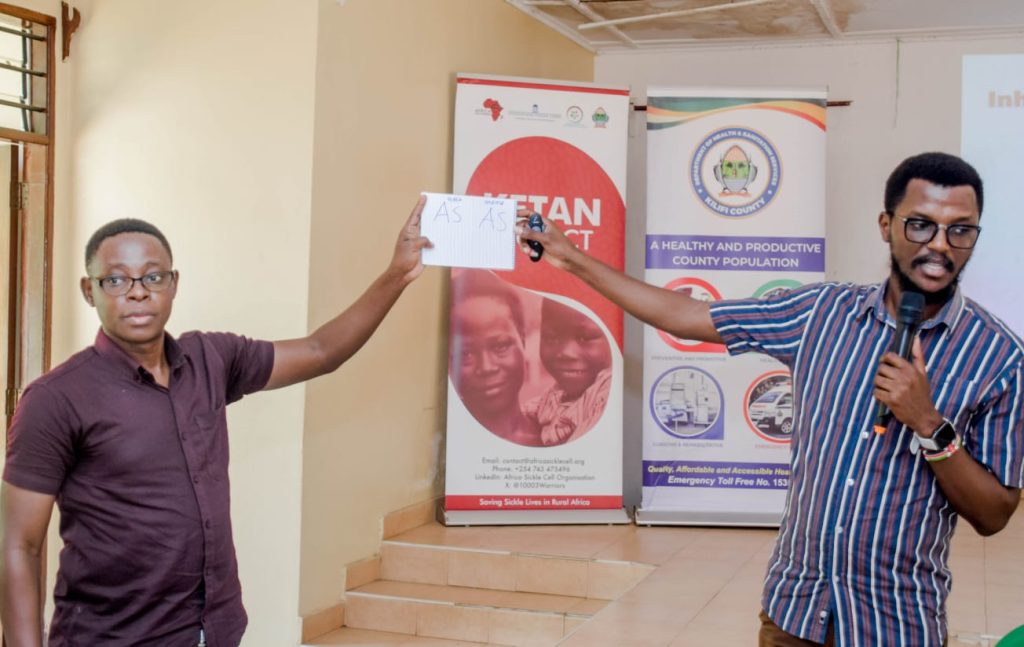
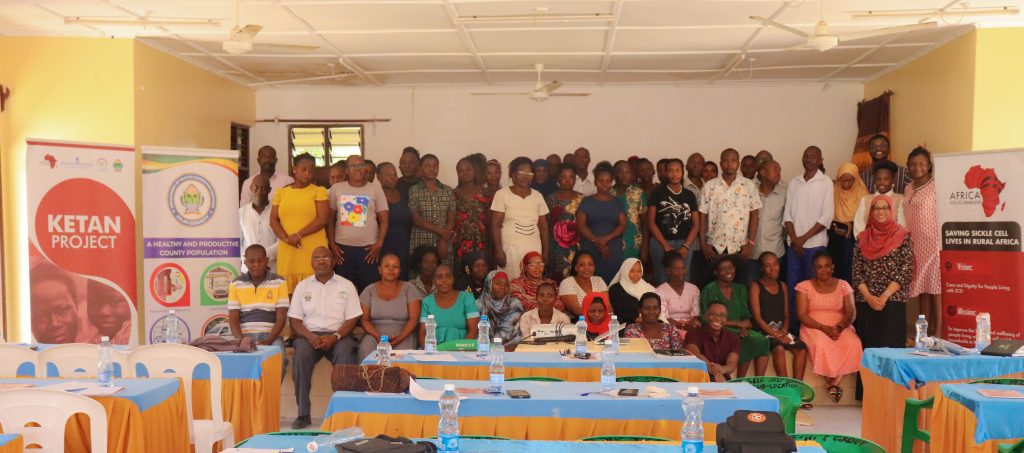
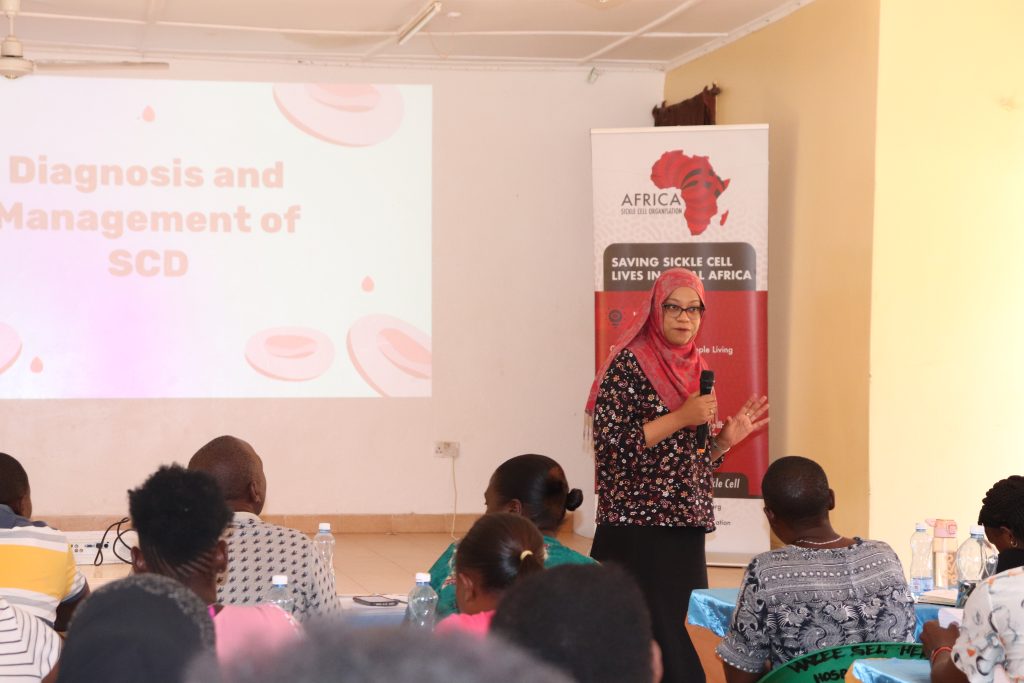
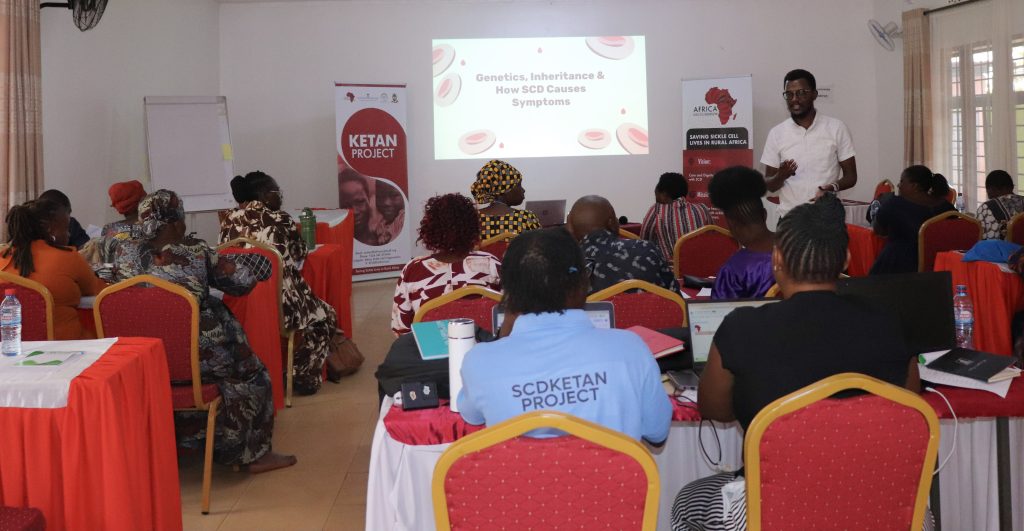
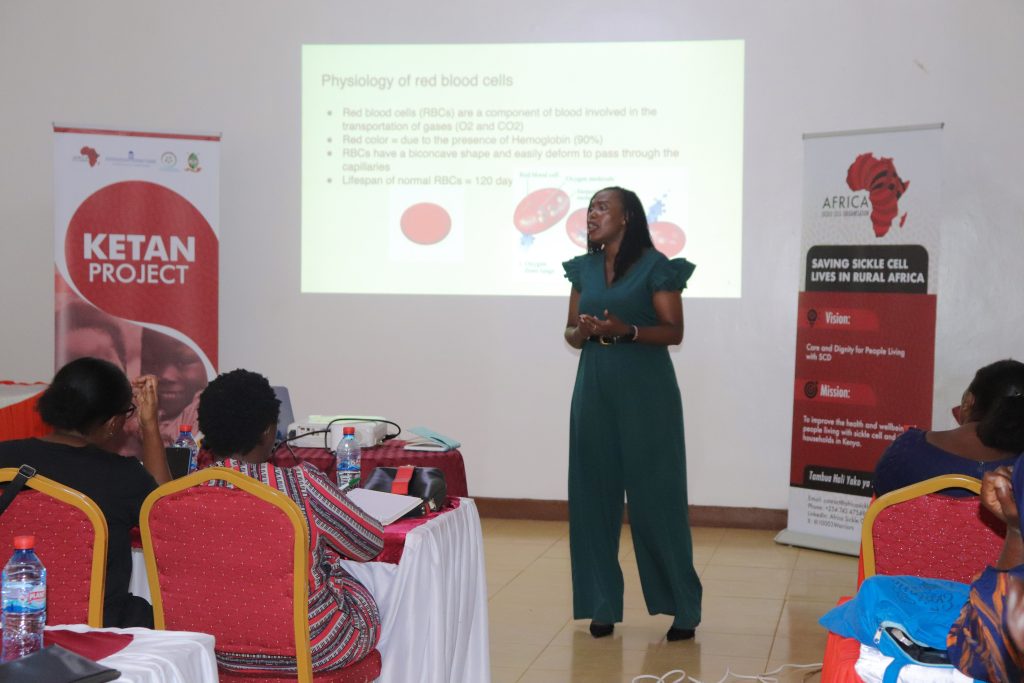
At the Africa Sickle Cell Organisation (ASCO), we recognize that strengthening community-based care is key to improving the quality of life for people living with sickle cell disease. Through our recent training under the SCD KETAN project funded by Fondation Pierre Fabre in Kilifi and Taita Taveta Counties, we have seen firsthand how informed and empowered CHPs can support early identification, referral, follow-up care, and continuous community education on SCD.
Why Community Health Promoters Matter
Community Health Promoters are often the first point of contact for families within the community. Their close relationship with households allows them to identify vulnerable children early, encourage caregivers to seek medical attention, and promote understanding of sickle cell disease at the grassroots level.
CHPs play a role in;
- Strengthening early identification and referral
- Promoting awareness and addressing myths
- Supporting treatment adherence and home-based care
- Strengthening community-based follow-up
Lessons from Kilifi and Taita Taveta
Through ASCO’s training sessions in Kilifi and Taita Taveta Counties, 100 CHPs (25 in Taveta, 25 in Voi & 50 in Kilifi) engaged in conversations around understanding SCD, identifying symptoms, supporting families, and strengthening referrals within the healthcare system. The training also highlighted the importance of compassionate communication and community-centered care.
These engagements reinforced a powerful reality: improving sickle cell disease outcomes requires more than clinical care alone. It requires trusted community voices who can walk alongside families, encourage health-seeking behavior, and ensure that no child or caregiver is left behind.
Building Stronger Community Systems for SCD Care
As Kenya continues to strengthen universal health coverage and community health systems, investing in Community Health Promoters is critical for sustainable sickle cell disease management. Equipping CHPs with accurate information, practical skills, and supportive referral networks can help improve early diagnosis, reduce preventable complications, and strengthen long-term care for persons living with SCD.
As members of the communities they serve, CHPs are trusted and accessible. This trust enables them to effectively engage families, foster open conversations about health, and encourage positive health-seeking behaviors. Their role goes beyond service delivery as they are advocates, educators, and supporters who contribute to building resilient and informed communities.
At ASCO, we remain committed to working with healthcare workers, national, county governments, caregivers and community health structures to create informed, resilient and supportive communities for people living with sickle cell disease.